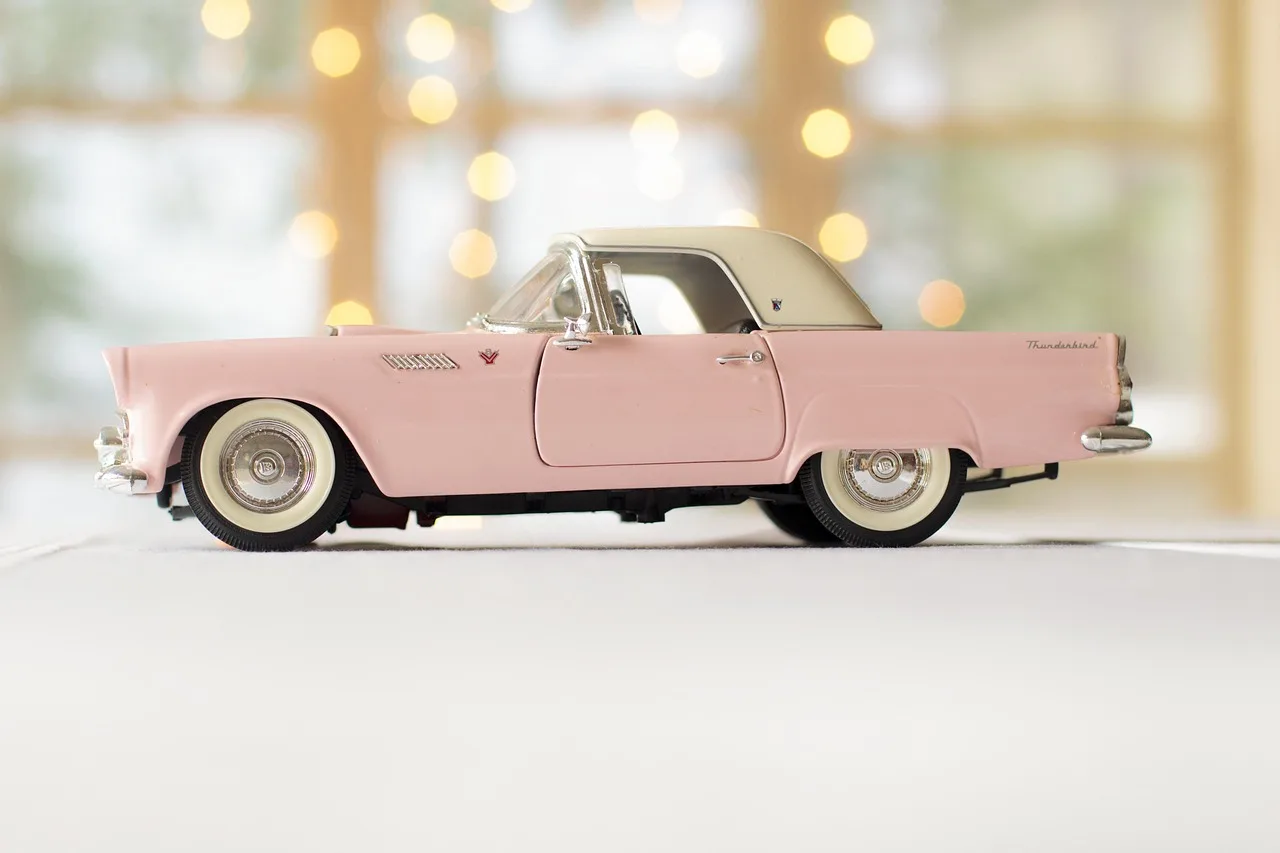
Are Matchbox Models of Yesteryear rare or just hard to price?
Matchbox Models of Yesteryear are often harder to price than truly rare pieces: many issues are low-volume or variant-heavy, but thin sales data and condition changes can swing value more than the model name. Misreading that split can lead to overpaying for common pieces or missing a scarce variant. This guide shows how to separate real rarity from thin pricing data, variant differences, and condition-driven value.
What counts as a Models of Yesteryear rare find
A Models of Yesteryear rare find is usually a specific variant, not the whole line. Age alone does not make every model scarce, and a low production run does not guarantee strong demand. Collectors should separate regular releases, variation-driven scarcity, prototypes, and limited editions before assigning value.

Series scope and variant spread
Matchbox Models of Yesteryear covers vintage-inspired vehicle models released across multiple decades, with many model numbers, names, and packaging styles. The line includes die-cast body variations, base marking changes, wheel changes, and color or trim differences, so two pieces with the same model name can price very differently.
That is why the word “rare” gets used loosely. A piece can be uncommon in a collector catalog, yet still be easy to find in listings because several sellers have the same issue at once. Another piece can appear scarce online simply because few examples have sold recently.
Rare, scarce, and hard to price are not the same
Rare means genuinely hard to find in the exact issue collectors want. Scarce means fewer examples surface, but buyers may still be limited. Hard to price means the market has too little same-variant sold data to set a clean number. Those are different problems.
Say your model is a 1:43 Yesteryear truck with the right number, color, and box, but only two recent sales can be found. That is not proof of rarity by itself. It may only mean the market is thin and price opinions are spread out.
Why are Models of Yesteryear hard to price?
Models of Yesteryear are hard to price because the market is thin, variants are easy to mislabel, and packaging changes matter. Asking prices often look high or low for reasons that have nothing to do with true value. Recent sold comps, matched to the exact issue, matter much more than age or catalog name.
Thin sold data and low liquidity
Low liquidity means a piece may be listed often, but may not sell often enough to support a stable price. A seller can post one today, another next month, and that does not create a dependable market. Completed listings and auction results are generally more useful than active ads.
Low liquidity also cuts both ways. A scarce-looking piece can sell cheaply if only a few buyers care about that exact variant. Demand is narrow, so a rare item can still have a modest sale price.
Why asking prices mislead on older Matchbox pieces
Asking prices show hope, not results. On older Matchbox pieces, sellers often anchor to one optimistic listing or a catalog memory, then ignore whether the model actually sold. A single high ask does not tell you what buyers paid.
A common first-timer mistake is to compare a mint boxed piece against a loose one and treat the gap as “market value.” That comparison is incomplete. Packaging state, completeness, and wear can shift the number sharply even when the model name is identical.
Variant naming and checklist gaps
Collector catalogs or checklists help, but they are only useful when the exact issue is identified correctly. Some references group similar versions together, while others split them by base marking, wheel type, or box style. That inconsistency creates pricing confusion.
Always start with the model number, the named vehicle, and the release notes in the checklist. Then verify what is on the base and what package it came in. If the listing does not match all three, the price comparison is weak.
What details change the value?
Value moves with the exact variation, not just the model name. Base markings, wheel style, paint color, trim, and packaging can all change what collectors will pay. Condition matters too, especially on older releases where rubbing, paint loss, or wheel damage is easy to spot.
Base markings and production changes
Base markings are a key identification point. A model can have a different casting note, country mark, copyright line, or production text, and that difference can separate one run from another. Swapped bases create false positives, so the base must match the rest of the piece.
Wheel and tire differences
Wheel changes matter because they often mark a production run or variant split. A change from one wheel style to another can be enough to create a separate collecting target, especially when checklists note it clearly. Do not treat “same car, same color” as the same issue.
Color and trim variations
Color changes are often the first variation collectors notice, but they are not the only one that matters. Small trim differences, stripe placement, or painted detail changes can also move price. Some color variants are common enough to be ignored; others are tracked closely.
Packaging type and box state
Packaging can add value, but only when it is the correct original package and in the right state. Carded, boxed, and window box issues do not trade the same way. Seal completeness, box wear, creasing, and missing inserts affect value, sometimes more than the model itself.
| Model | Exact variant cues | Condition band | Packaging state | Recent sold comps | Comp price range | Price confidence |
|---|---|---|---|---|---|---|
| Y-1 1907 London Bus | Standard red issue; common base marking; standard wheels | Near-mint | Loose, no box | 6 | $12–$28 | High: not rare, fairly priced |
| Y-1 1907 London Bus | Early color variant; different wheel style; checklist-listed run | Mint | Boxed, worn box | 3 | $35–$70 | Medium: scarce variant, thin data |
| Y-5 1912 Rolls-Royce Silver Ghost | Prototype sample; base differs from retail issue | Near-mint | Loose sample, no retail box | 1 | $40–$90 | Low: hard to verify, not retail comparable |
| Y-10 1911 Ford Model T Van | Standard retail issue; matching base and wheels | Mint | Carded, sealed | 8 | $20–$45 | High: common issue, price stable |
| Y-10 1911 Ford Model T Van | Limited edition with certificate; same retail casting | Near-mint | Boxed with certificate | 4 | $25–$60 | Medium: edition claims need sold verification |
The table uses a simple confidence score. High means enough same-variant sales exist to price the item with some confidence. Medium means the variant is real but sold data is thin. Low means the item is hard to verify, often because it is a prototype sample or a misidentified piece.
Do prototypes and limited editions bring higher prices?
Sometimes, but not automatically. Prototype samples can be interesting because they may differ from the final release, yet they are not always saleable retail issues. Limited editions can also disappoint if the run is small but demand is narrow. Sold-price verification matters more than the label.
Prototype samples versus retail issues
Prototype means pre-production sample, and that can include color trials, base samples, or packaging tests. These pieces may differ from the final issue and may not be intended for normal retail sale. Many are misidentified as rare retail variants when they are not comparable at all.
Prototype confusion is common because a different base or paint can look exciting without being a recognized retail issue. If a sample lacks the final packaging, retail checklist match, or repeatable sales history, it should not be priced like a standard catalog release.
Limited edition claims need sold-price verification
Limited edition does not equal high-value. A stated run of a few thousand can still trade modestly if collectors already have enough examples, or if the model itself is ordinary. The claim matters only when buyers have paid more for that exact issue in recent sales.
Certificate, special box, and run size
A certificate, special box, or numbered label may help, but none of those features guarantees a premium. They matter most when they are original to the issue and complete. A missing certificate can reduce value, while a box swap can cancel the appeal entirely.
How do you check sold comps without overpaying?
Start with the exact variant, then use recent sold comps that match it closely. Compare completed listings, not active ads, and remove outliers that look unusually high or low. If the base, wheel type, color, or packaging state does not match, the comp is weak.
Match the exact variant first
Use the collector catalog or checklist to identify the model number, name, and release notes before looking at prices. Then confirm base markings, wheel style, and packaging type. A price found for a different variant should not be mixed into your estimate.
Filter out outliers and mislisted items
- Check the sold date and keep only recent sales.
- Match the same model number and named issue.
- Compare the same packaging state: loose, boxed, carded, or sealed.
- Remove restored, repainted, or swapped-base examples.
- Ignore listings with unclear photos or vague variant labels.
Suppose one sold comp shows a loose model with paint rubs and another shows a sealed carded example. Those are not equal comps. The better approach is to compare loose to loose, carded to carded, and mint to mint where possible.
Compare completed listings, not active ads
Completed listings tell you what actually sold. Active ads only tell you what someone hopes to get. For low-liquidity Models of Yesteryear pieces, that difference matters a lot because one optimistic asking price can distort the market if it is repeated elsewhere.
What mistakes make collectors overvalue or undervalue them?
The biggest mistakes are swapped parts, restored finishes, and poor variant matching. Sellers also misread packaging differences and assume age or limited edition status means value. Buyers who skip sold comps often overpay for common pieces or miss a real variant because the listing title is wrong.
Swapped bases and restored finishes
A swapped base can make a model look like a scarce variation when it is really a parts mix. Restored paint creates the same problem. Both can hide wear and make a piece appear more original than it is, which damages price accuracy.
Misread packaging differences
Not every box, card, or window pack is interchangeable. Original packaging state can be part of the value, and box wear can move the price a lot. A mint model in damaged packaging is not the same as a mint model in clean, complete packaging.
Assuming age or limited edition status means high value
Age alone does not make every model scarce, and a limited edition is not always expensive. Some older issues survive in large numbers, while some newer variants are harder to find. Value comes from the blend of exact variant, condition, packaging, and actual sales history.
Frequently asked questions
Are Matchbox Models of Yesteryear actually rare?
Some are, but many are simply variant-sensitive or thinly traded. The best test is not age or model name; it is the exact issue, condition, and sold history. A common casting can look scarce online if few examples sold recently, yet still trade at modest prices.
Why are some Models of Yesteryear hard to price?
They are hard to price because sold comps are often thin, variant labels are inconsistent, and packaging changes matter. A listing may be misnamed, restored, or incomplete. Without same-variant matching, asking prices and price guides can point in the wrong direction.
Which Models of Yesteryear versions are worth the most?
Usually the versions with documented scarce variants, strong condition, original packaging, and repeat sold demand. Prototype samples and limited editions can bring more, but only when buyers actually pay up for them. A rare-looking piece with narrow demand can still bring less than expected.
How do you tell a rare variation from a common one?
Match the model number, base marking, wheel style, color, and package against a checklist or catalog. Then compare recent sold comps for the same configuration. If the only difference is vague wording in a listing, it is not enough to call the piece rare.
Do condition and box completeness matter more than rarity?
Often, yes. On many Models of Yesteryear pieces, condition and completeness can move value more than the age of the model itself. A scarcer piece with heavy wear may sell below a cleaner common example, especially if buyer demand for that variant is narrow.
How do you check recent sold prices without overpaying?
Use completed listings and auction results, not active asking prices. Keep only the exact variant, then remove outliers, restored pieces, and mislisted examples. Compare the same packaging state and condition band, or the price range will be too loose to trust.